
Home — Disciplines — Vessels

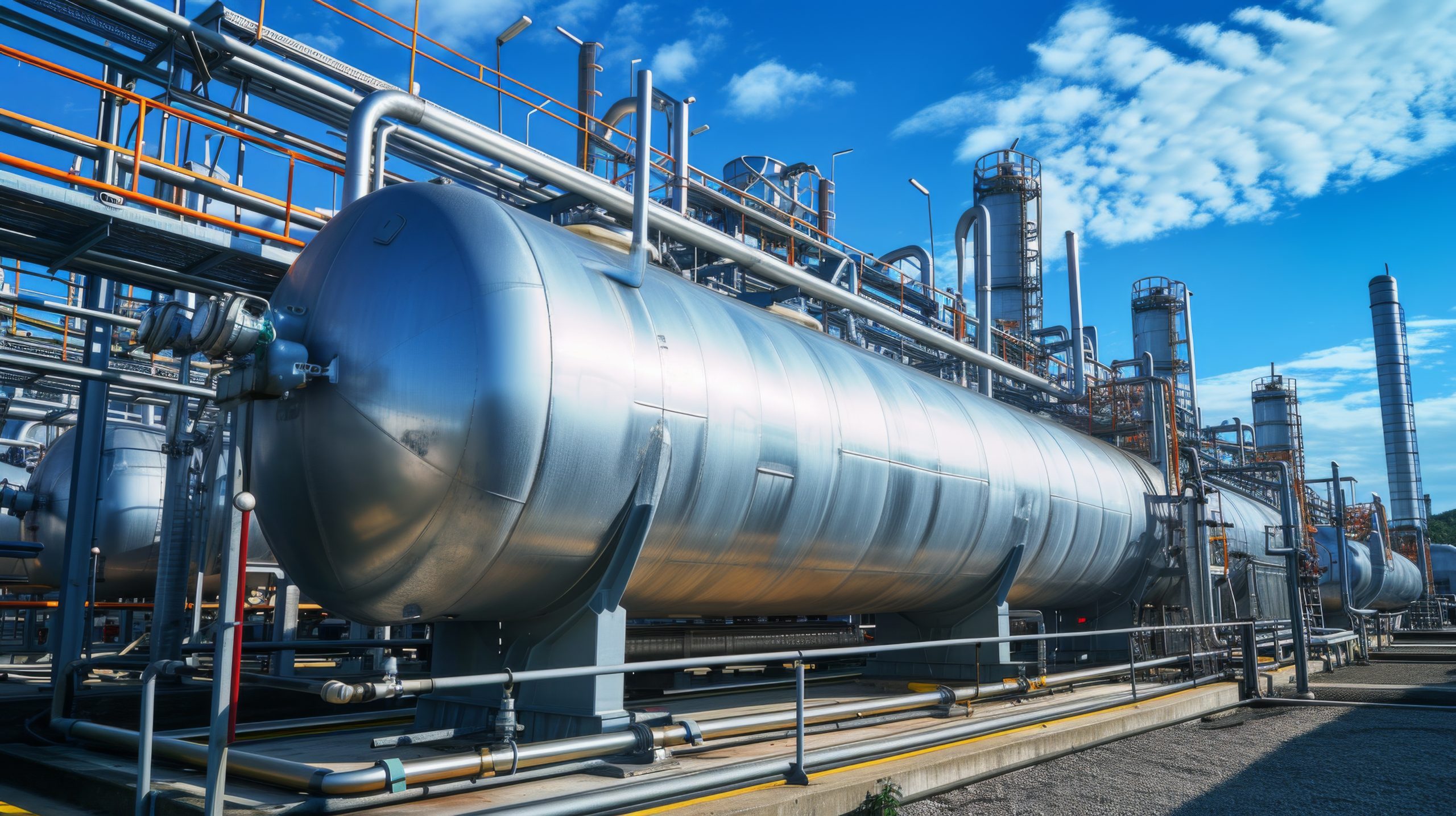
PIP Vessels Practices serve industries including Oil & Gas, LNG, Chemical Processing, Power Generation, Mining, Water Treatment, Pharmaceuticals, and Food Processing.

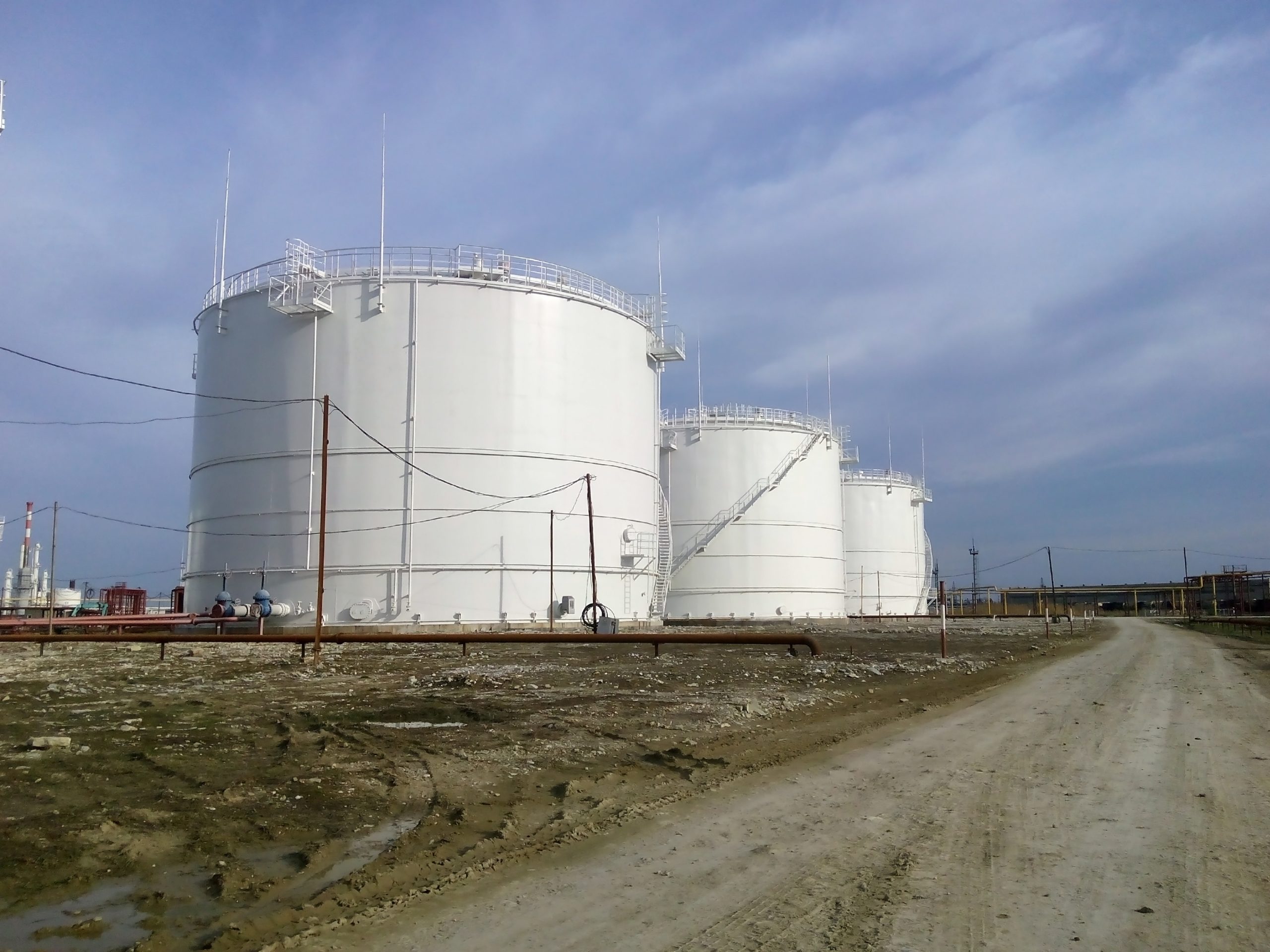
Areas include a variety of pressure vessels, API 650 Storage Tanks, bulk solids product containers, shell and tube heat exchangers, tank components, Positive Material Identification (PMI), pressure vessel internals, air-cooled heat exchangers, gaskets, hairpins, and more.  

Why PIP Vessels Practices?

ASME and API are the gold standards for pressure vessels and tanks, but these requirements lack specific guidance and good engineering practices that detail activities like choosing components, configuration, and even transportation of materials.  

PIP Vessels Practices fills these gaps, laying out the steps and considerations that bring you from “Where do we start?” to compliance and, in some cases, beyond.    

Examples of Vessels Practices

  • Pressure Vessel Qualification Procedures and Standards. 
  • Tank Specifications and Selection Guidance. 
  • Bulk Solids Product Container Design, Fabrication, Documentation, Selection and Purchase guidance. 
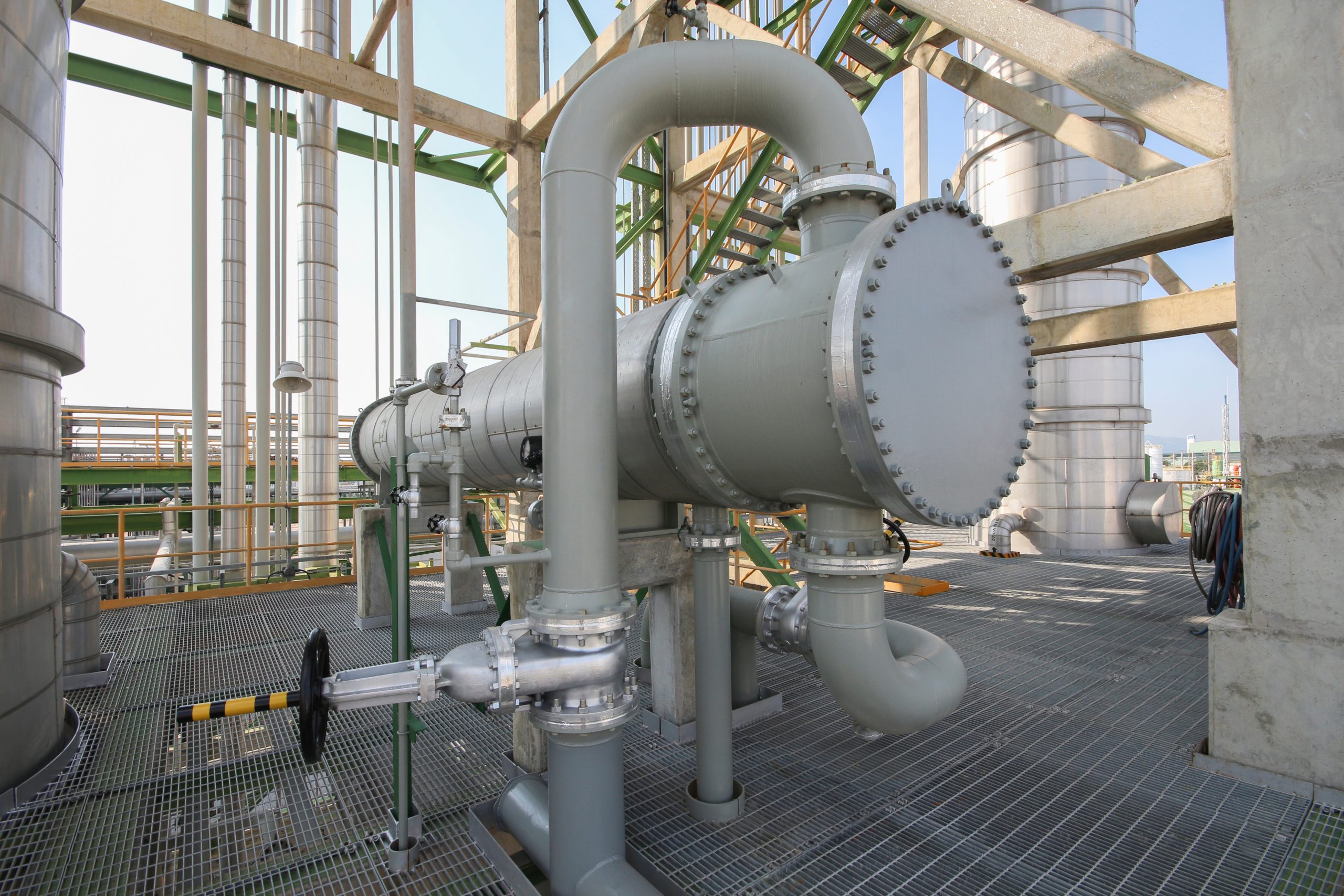
  • Shell and Tube Heat Exchangers Design Criteria, Purchasing Requirements, and Documentation Requirements. 

Atmospheric Storage Tank Specifications (PIP VESTA002) 

When API Standard 650 was introduced decades ago, its scope was broad but limited. This supplement filled a need for guidance on decisions required to meet API 650 minimum requirements. Both have evolved to provide even more comprehensive guidance when used together.    
Vessel/S&T Heat Exchanger Standard Details (PIP VEFV1100) 

A picture can say a thousand words, which is one reason this practice and its diagrams have become so valuable. It provides fabrication and installation details and dimensional tolerances for the design of supports and other attachments for vessels, heat exchangers and solids products containers. 

PIP Guidance Spotlighted for Low-Pressure Vessel Safety

The U.S. Chemical Safety and Hazard Investigation Board issued a report on the fatal 2021 vessel leak, vapor cloud explosion, and fire at the Yenkin-Majestic resin plant, naming PIP as an important source of guidance for vessels operating at or below 15 psig. PIP VESLP001, Low-Pressure, Welded Vessel Specification, helps address a recognized design and construction gap, and its recommendations call for adopting the practice into future resin plant designs (see page 72 of the report).

Browse 25+ Discipline-Specific PIP Vessels Practices